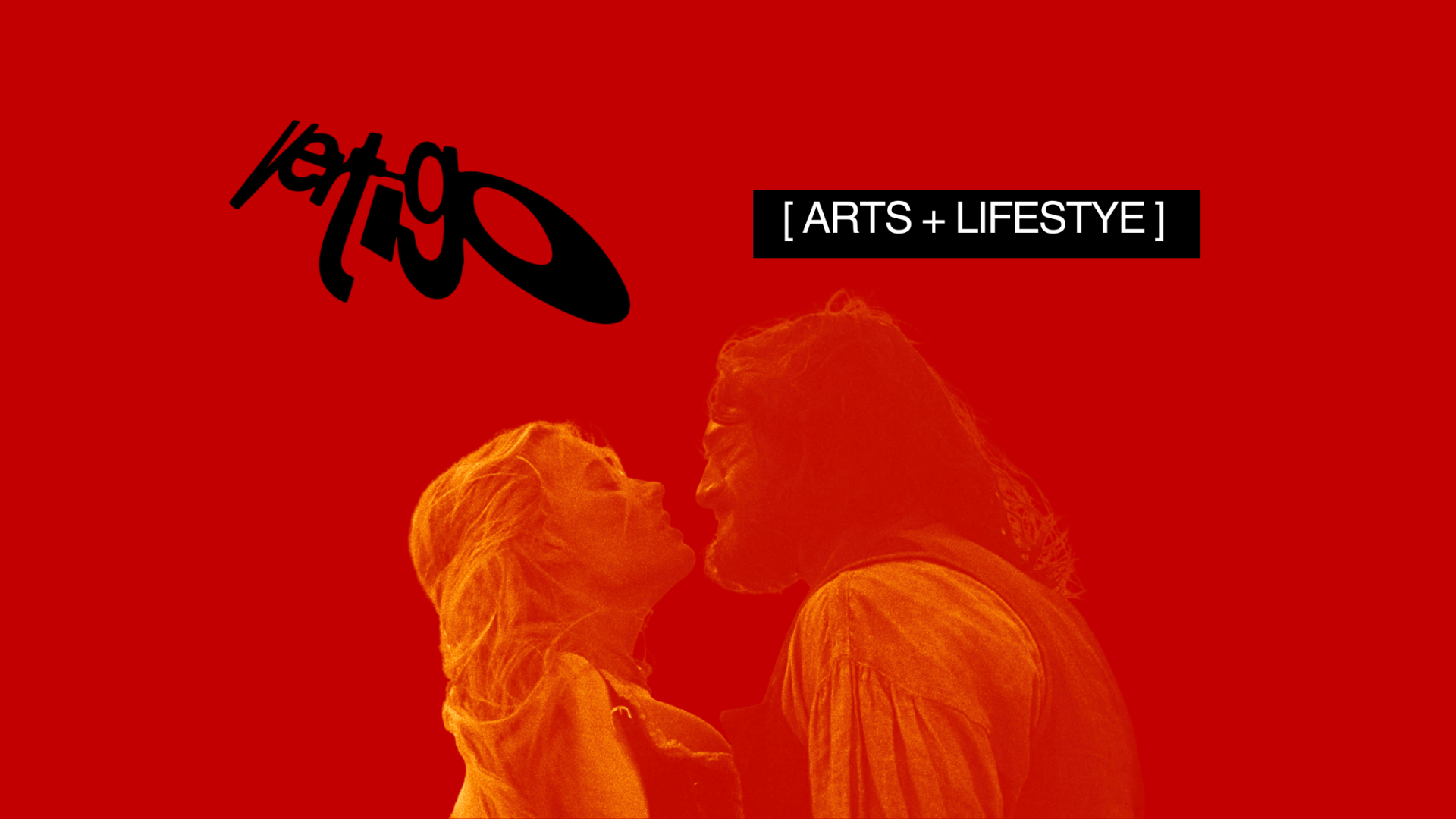
From condemning the cast to lauding its sensual cinematography, the internet and critics alike have never been more divided, tearing into Emerald Fennell's "Wuthering Heights" (2026). It must be said, however, that Emerald Fennell’s interpretation of Wuthering Heights, marketed as “the greatest love story ever told”, is an aesthetic husk of the original. This is an adaptation of Emily Brontë’s novel that is as unfaithful to the source material as Catherine is to her husband Edgar (if you are a fan of the book and perturbed by this claim, you are in for much more disappointment when watching the film). The point of contention is not its unsuccessful transference from the novel to the screen, or its historical inaccuracies, but rather a tragic de-clawing of its amoral characters and a misunderstanding of its core values.
Credit goes to Fennell for her ability to master spectacular cinematic shots with exquisite set productions, including walls made of skin, blood red floors, a fireplace embellished with casted hands, and so much more. The film’s score, a 12 track alternative pop album by Charli xcx, provides a world of unease and tension that is perhaps more spiritually aligned to Brontë’s storm of a novel.
The film had viewers waiting for months with bated breath and clutched pearls, for some randy, tension-fueled sex that once again divided audiences on whether or not a classic should be overtly sexualised. It begins, in true Fennell fashion, with a hanged man’s wet erection. Despite being packed with explicit love affairs and visual innuendos, there remains a distinct lack of eroticism. The first scene sets the tone of a pro-sex, heavily aroused alternate reality. This departure from Brontë’s story may well be the first crack in Fennell’s facade. The distinct lack of social propriety and piety revokes a sense of eroticism that could be afforded by making the affair between Cathy and Heathcliff forbidden.
Brontë’s “dark-skinned”, sullen Heathcliff, played by white Australian, Jacob Elordi, is reduced to a two-dimensional romantic lead, reminiscent of a badly written fantasy-romance character (you know what I’m talking about). He bears the abuse from Mr Earnshaw in stride to protect the haughty sensibilities of Fennell’s Cathy, instead turning his diluted resentment towards Edgar Linton. Here, the story is woefully simplified, where a character that is meant to be consistently othered and racially abused, ripe with hate and vindictiveness, becomes a jealous illicit lover partaking in paltry displays of revenge to spite his childhood love.
It is deeply concerning that Fennell’s interpretation of a highly revered story about class and race disparities feels more akin to a film adaptation of a Wattpad romance story written by a teenager. This film could well be the latest instalment of the After franchise, just with surrealist period costuming and posh dialogue. The entire premise of this film mistakenly conflates deep yearning and romantic love with unbridled sexual tension and illicit affairs. Fennell delivers a disappointingly shallow representation of a romantic tragedy, relying on pure shock value and oddly placed innuendos to tell this love story. Audiences expected grand displays of pining and desire equal to that of Jay Gatsby and Daisy Buchanan. Instead, they were subjected to an uncomfortable, squelchy sensory experience full of saliva and egg yolks.
The story of Wuthering Heights, imbued as it is with rich social commentary and sharp explorations of complex characters, surely deserves better than what Fennell has managed to produce. Based on the premise of the story, viewers would expect characters whom we can root for because their flaws make them feel human. They want to experience the throes of a powerful but ill-fated love that defies all manner of social and class divide. Instead, we get poorly written characters who almost feel inhuman at times due to their raging desires, and a cliche forbidden romance trope that relies on the vague motif of doomed, star-crossed love. Unfortunately, we could not help but walk out of the cinema wishing that the film had given us more.
The film has amassed $104M AUD in its opening weekend — the biggest opening of the year so far, with approximately 76% of the viewers being women. Despite its failures as a meaningful adaptation, "Wuthering Heights” (2026) has largely been well received by those who embrace it as a stand–alone film untethered to the gothic, supernatural elements of the source material.
If your expectation is to see a film loosely inspired by Wuthering Heights that rejects all forms of meaningful engagement with the original source material, then you are in for a deliciously fun time. Otherwise, we predict that Brontë-truthers will be sorely disappointed by the bastardisation of a beloved novel in favour of Fennell’s sensationalised BDSM fan fiction. Fennell likes to make her audience squirm, gasp, and giggle before delivering an unapologetic gut-punch, drawing audiences out of a sex-clouded fog and slamming them back to the realities of this tragic love story. But that is where our praises must end.
 -
-