

A rapidly escalating military confrontation is unfolding across the Middle East tonight after the United States and Israel struck targets inside Iran, including in the capital, Tehran. Iran has responded with missile and drone strikes against Israel and US-linked facilities in the Gulf, barrelling the territories towards a regional war.
On Friday the 27th of February Eastern Standard Time, America issues a callback of all American diplomats in Lebanon.
Explosions were reported across Tehran early this morning local time, with smoke rising near the compound of Iran’s Supreme Leader, Ali Khamenei. Iranian state media reported additional strikes in Isfahan, Qom, Tabriz and Bandar Abbas. Independent verification of all sites remains ongoing.
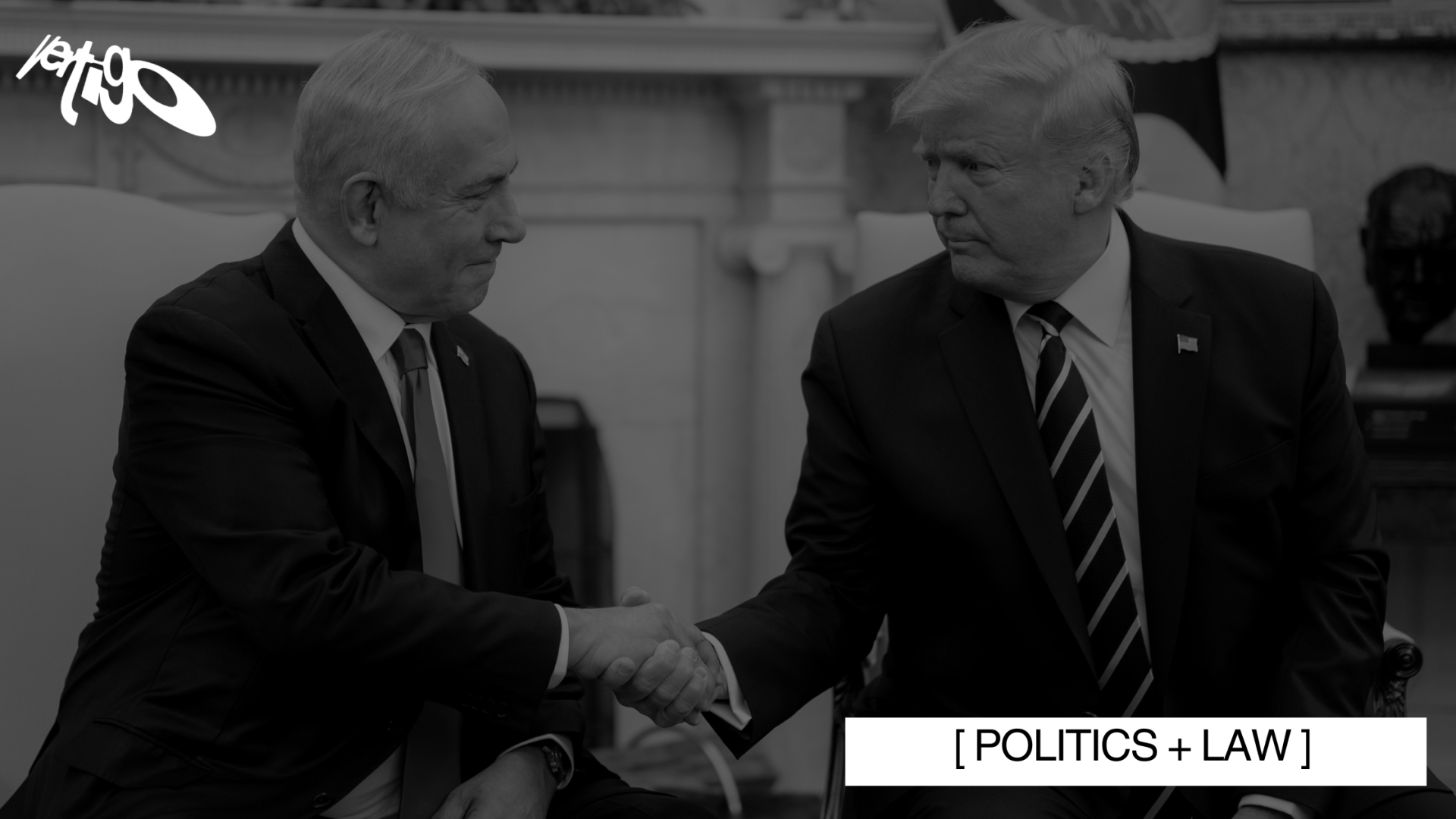
US President Donald Trump said American forces had begun “major combat operations in Iran” alongside Israel. He said the objective was to eliminate what he described as “imminent threats”, and preventing Iran from developing a nuclear weapon.
Israeli Prime Minister Benjamin Netanyahu said the joint strikes were aimed at removing what he called an “existential threat”. Israel’s President, Isaac Herzog, described the action as a “bold, combined operation”.
Iran has consistently denied seeking nuclear weapons, stating its nuclear program is for civilian energy purposes.
The strikes come after weeks of heightened tension within Iran itself.
In recent months, anti-government sentiment has intensified in several cities amid economic hardship, sanctions, pressure and longstanding political grievances. Exiled opposition groups have increased calls for regime change, while social media campaigns circulating have urged for mass demonstrations.
Some analysts in Iran argue that external political pressure and global media narratives play a role in influencing how Western audiences interpret domestic affairs within the country.
Western governments have criticised Tehran’s crackdown on dissent, including arrests of activists and students. Iranian authorities, in turn, have accused foreign powers of encouraging unrest and interfering in domestic affairs.
Some analysts say the timing of the strikes — amid visible domestic strain — will fuel debate over whether external military pressure strengthens or weakens internal opposition movements. Historically, foreign attacks have at times consolidated nationalist sentiment around ruling authorities, even among citizens critical of their government.
There is, at this stage, no independent evidence that the strikes were directly linked to internal protest activity. However, the overlap between domestic instability and international military escalation is likely to shape political narratives both inside Iran and abroad.
Iran’s Islamic Revolutionary Guard Corps (IRGC) announced the launch of a retaliatory campaign it calls ‘Operation True Promise 4’. The campaign reports that its missiles and drones targeted the US Fifth Fleet headquarters in Bahrain, US bases in Qatar and the United Arab Emirates, and military targets in Israel.
Bahrain reported several sites had been attacked. Witnesses cited by Reuters described explosions near Abu Dhabi’s main airport. Blasts have also been reported in parts of Qatar and Kuwait. Airspace closures in the United Arab Emirates have disrupted international aviation routes.
In Israel, warning sirens sounded nationwide. Emergency services said a man in his 50s sustained mild blast injuries in northern Israel, while others were treated for shock or minor injuries while seeking shelter.
Iranian state media reports that 51 students have been killed and 60 wounded in a strike on a girls’ school in Minab, southern Iran. US and Israeli officials have not publicly confirmed the details of that report.
Under international law, the use of force between states is tightly constrained under the United Nations Charter. Military action is generally justified only in cases of self-defence following an armed attack or with UN Security Council authorisation.
No Security Council resolution authorising force against Iran has been announced. The United States and Israel have framed their actions as defensive measures aimed at preventing strategic threats. Iran has characterised the strikes as unlawful aggression.
Diplomatic efforts had been underway only days ago. Talks mediated by Oman were scheduled to resume in Vienna next week following meetings in Geneva. Those channels now appear suspended.
The United Kingdom confirmed it did not participate in the strikes and urged restraint. European leaders have called for de-escalation and protection of civilians.
Prime Minister Anthony Albanese said Australia supports the United States acting to prevent Iran from obtaining a nuclear weapon. The statement aligns Australia politically with Washington, but stops short of committing to military involvement.
However, the speed and tone of the Prime Minister’s remarks are likely to prompt domestic debate. Critics may question whether Australia should publicly endorse military action before full details of targets, civilian impact and legal justification are established. Others will argue that reaffirming alliance solidarity during a rapidly developing crisis is consistent with longstanding defence policy.
 -
-