

Acknowledgement of Country
The Vertigo team operates on Gadigal land, where we recognise that Indigenous sovereignty was never ceded. We acknowledge the traditional custodians of the land on which we stand and pay our respects to elders past, present, and emerging.
***
On January 26th, 1788, Captain Arthur Phillip cemented his legacy by hoisting the Union Flag on Sydney Cove, staging the country for imperial annexation. What followed was generations of dispossession, genocide, theft, and subjugation. Woven into the fabric of this nation is the insurmountable suffering of Indigenous people, a pain that is acknowledged far too little, and change acted upon even less so. 237 years later, banners around Sydney remind us to “Reflect. Respect. Celebrate.”: an assimilation ingrained into generations to come.
On Monday, this ideology was confronted, as it has been for the last few decades.
In Hyde Park, thousands united around Archibald Memorial Fountain with heads bowed down and fists raised for a moment of silence, honouring the lives of First Nations peoples that have been unjustly taken. On a date now recognised as ‘Invasion Day’, crowds across Australia gathered to amplify the Indigenous voices calling attention to the ongoing impacts of dispossession and Aboriginal deaths in custody. Australia’s Indigenous community stood together to reclaim the narrative and highlight their resilience as the oldest continuing culture in the world, reiterating that their movement, their communities and passion will continue to grow until meaningful change has been reached.
Indigenous elders and activists called attention to systemic over-policing and targeted brutality towards their community, condemning the Royal Commission for their failure to serve justice to Aboriginal people. Throughout the speeches, there was a consistent message that the allyship shown should not only be reserved for January 26th but must extend to each day of the year, transcending symbolic political statements and calling for true solidarity.
As we marched, police officers in fluorescent yellow vests and checker-rimmed hats enclosed the crowd on all sides. Their inescapable presence showcased a deep lack of understanding of the issues the peaceful event was raising awareness about. Chants from demonstrators condemned the very institution that was encircling them. Tensions arose and were pushed aside out of necessity.
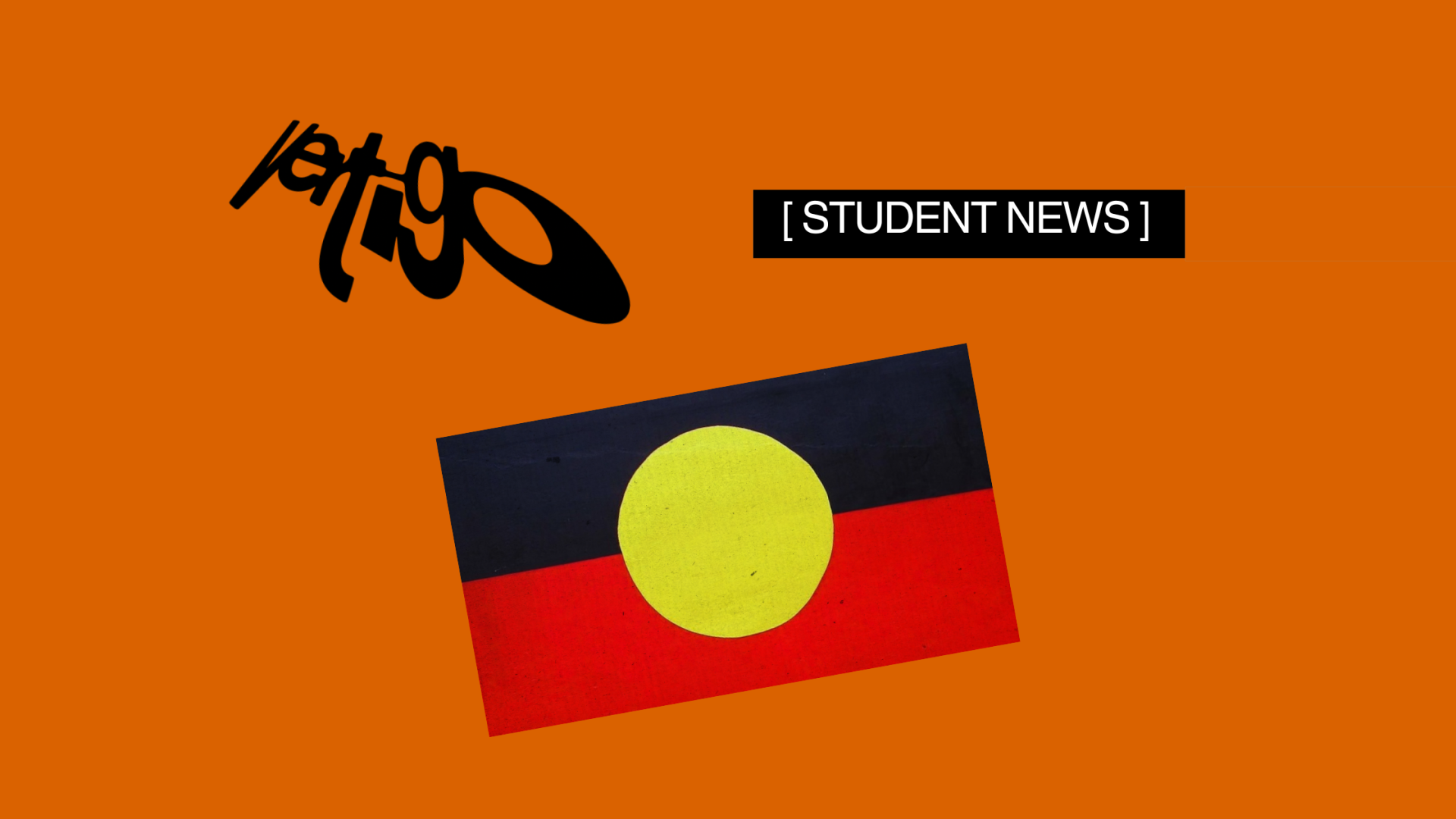
It would be difficult to dismiss the other movements that were in attendance; Palestinian, Lebanese, and Irish flags decorated the crowd. Amongst black, red, and yellow banners, clusters of green and white peeked through, calling for the liberation of all.
All marginalised groups were demanding recognition of the ongoing systemic oppression they are subjected to by foreign colonies. It is not a coincidence that this has been refused mention by the government. This drawn-out silence is exactly what necessitates protests, petitions, and societal change.
The occupancy of colonial bodies on Indigenous land, to this day, is reason enough to continue the fight for subjugated groups to be liberated. The colonial thread that weaves together the many struggles for liberation makes it clear why and how anti-colonial communities were welcomed to join Monday’s protest.
When the land we march on has been wrought by the injustices of colonial violence and genocide, it is necessary that we condemn these practices. None of us are free till we are all free.
Do your part. Pay the rent.
 -
-