

Death by Law: Israel’s New Policy Targets Palestinians Convicted of Killing Israelis
Israel’s parliament, the Knesset, has passed a law establishing the death penalty as the default punishment for Palestinians convicted of killing Israelis in what it defines as “nationalistic” or “terror” attacks.
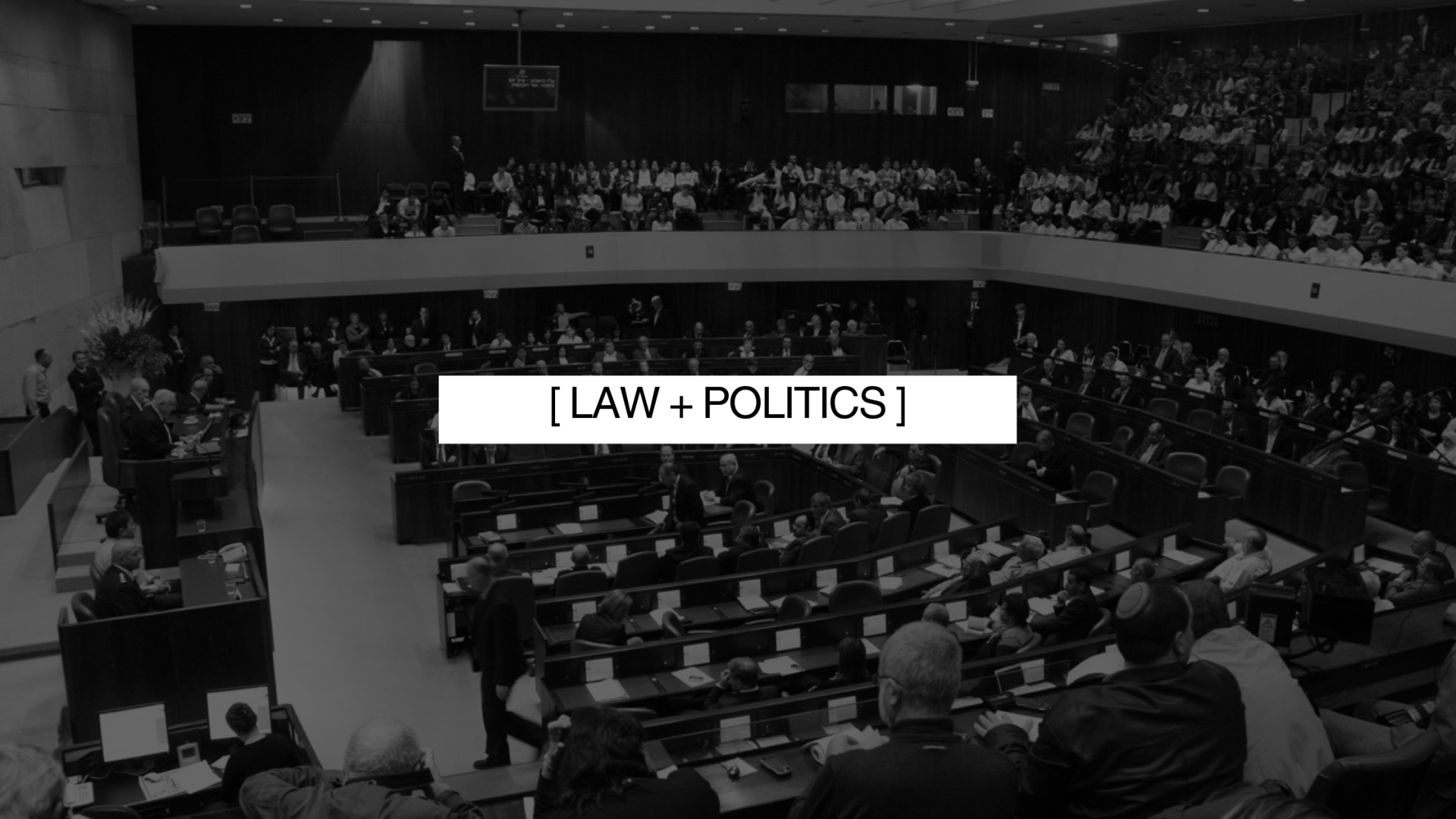
In a move that has drawn immediate legal challenges and widespread international condemnation, critics, including international organisations such as the United Nations, Human Rights Watch, Palestinian officials, and advocacy organisations such as the New South Wales Greens and pro-Palestine action groups — contend the law formally embeds a two-tiered legal system based on identity, amounting to state-sanctioned discrimination and a major escalation in Israel’s governance of Palestinians.
This is the first time since Nazi Germany that a state has moved to implement a death penalty framework that effectively applies to one group while excluding another.
The legislation, approved late Monday after years of pressure from Israel’s far-right political bloc, represents one of the most sweeping and punitive shifts in Israeli law in decades. It introduces execution by hanging as the presumptive sentence in military courts operating in the occupied West Bank. These courts prosecute Palestinians but not Israeli citizens while preserving significantly greater judicial discretion within Israel’s civilian legal system. The law applies only to future cases, sparing prisoners currently held in Israeli jails, including those involved in past high-profile attacks.
Israeli Prime Minister Benjamin Netanyahu attended the vote and backed the measure, reinforcing his government’s alignment with hardline coalition partners. The bill was driven by National Security Minister Itamar Ben-Gvir, who has long advocated for harsher punishment of Palestinians and has framed such policies as central to Israeli security. In a speech moments before the vote, Ben-Gvir declared the law would send an unmistakable message: “whoever takes a life, the State of Israel will take their life.” He wore his signature noose pin, a symbol widely criticised as emblematic of the law’s punitive and ideological underpinnings.
The bill's passage was met with scenes of celebration among far-right lawmakers, as cheering erupted across the chamber. Some legislators embraced and applauded, while others appeared visibly emotional. Netanyahu, however, remained largely expressionless, reflecting both the political sensitivity of the measure and the growing influence of far-right figures within his governing coalition.
At the heart of the controversy is the law’s dual legal structure, which critics say entrenches a system of unequal justice along ethnic and territorial lines. Under its provisions, Palestinians in the West Bank, who are subject to Israeli military law, face a near-mandatory death sentence if convicted of killing Israelis in attacks deemed ideological. Judges in these courts are granted only narrow discretion to impose life imprisonment in undefined “special circumstances.” By contrast, Israeli citizens, including Palestinian citizens of Israel, are tried in civilian courts where judges retain full discretion and where the threshold for applying the death penalty is far more limited.
Legal analysts and human rights advocates argue this framework effectively ensures that Palestinians are far more likely to face execution than Israelis for comparable acts. Critics say the law does not merely reflect unequal outcomes but structurally encodes them, raising serious concerns that punishment is determined not only by the crime but also by the identity of the accused. Some experts have warned that, in practice, Israeli perpetrators are unlikely to ever be charged under the law’s provisions.
Further compounding these systemic concerns are the law’s procedural provisions, which sharply curtail due process protections. It mandates that executions be carried out within 90 days of sentencing, drastically limiting the time available for appeals, and restricts clemency, an essential safeguard under international legal standards governing capital punishment. Legal advisers involved in earlier deliberations warned that these provisions risk violating international conventions and could lead to irreversible miscarriages of justice within a system already criticised for its lack of safeguards.
Within minutes of the vote, the Association for Civil Rights in Israel filed a petition with Israel’s Supreme Court, calling the law “discriminatory by design” and arguing that it unlawfully extends Israeli legislative authority into occupied territory. Under international law, the West Bank is not recognised as sovereign Israeli territory, and many legal experts contend that legislating such severe criminal penalties for its Palestinian population exceeds the jurisdiction of the Knesset.
The law has also intensified scrutiny of Israel’s military court system, which tries Palestinians but not Israeli settlers and has long faced criticism for high conviction rates and reliance on confessions allegedly obtained under coercion. Critics argue that introducing the death penalty into this system significantly heightens the risk of irreversible outcomes in cases where protections of due process are already contested.
International reaction was swift and overwhelmingly critical. The United Nations reiterated its longstanding opposition to capital punishment, warning that the law may violate prohibitions against cruel, inhuman, or degrading punishment, particularly where applied in a discriminatory manner. Advocacy organisations, including Human Rights Watch and Amnesty International, condemned the measure as a severe escalation, arguing that it institutionalises inequality while doing little to address the underlying drivers of violence.
Adam Coogle of Human Rights Watch said the legislation “entrenches discrimination and a two-tiered system of justice,” adding that its accelerated execution timeline and limits on appeals “aim to kill Palestinian detainees faster and with less scrutiny.” Other rights organisations have warned that, rather than deterring attacks, the law risks deepening grievances and fuelling further cycles of violence.
Palestinian officials and factions denounced the measure as a “dangerous escalation,” warning it could further inflame an already volatile situation in the West Bank. Some Israeli opposition lawmakers echoed these concerns, cautioning that the law could undermine hostage negotiations and provoke retaliatory violence. Security experts have also previously argued that the use of capital punishment in such a context may increase the likelihood of future attacks.
Historically, Israel has rarely used capital punishment. It has formerly only been reserved for exceptional crimes such as genocide and wartime treason; it has been carried out only once against Nazi war criminal Adolf Eichmann in 1962. The new legislation thus represents a profound departure from long-standing practice, signalling a willingness to expand the use of the death penalty in a highly politicised and discriminatory legal environment.
The law will take effect within 30 days, but its future remains uncertain as legal challenges move forward and international pressure intensifies. Regardless of its ultimate fate, the legislation has already deepened divisions within Israel and heightened global concern over the country’s legal trajectory in the occupied territories.
The Australian government has moved quickly to distance itself from the law, signalling firm opposition to capital punishment while stopping short of directly condemning Israel’s actions. Prime Minister Anthony Albanese has not commented extensively on the legislation, but his government has consistently emphasised the need for adherence to international law in the Israel–Palestine conflict, including previous statements that civilian harm is “indefensible.”
Foreign Minister Penny Wong reiterated Australia’s position in a closed-door caucus meeting, stating that the government “opposes the death penalty in all instances,” reflecting a long-standing policy that views capital punishment as inhumane, irreversible, and ineffective as a deterrent. Australia also joined allies including France, Germany, Italy, and the United Kingdom in expressing concern about the legislation, warning it risks undermining Israel’s democratic institutions and legal norms.
However, critics argue Canberra’s response remains cautious given the severity of the law and the breadth of international condemnation. By framing its objection largely in general opposition to the death penalty, Australia has avoided directly addressing allegations that the law is discriminatory, an issue at the centre of criticism from human rights organisations.
Analysts say this reflects a broader balancing act for the Albanese government, which has sought to maintain support for Israel while increasingly voicing concern about its conduct in the occupied territories. The passage of the law may intensify pressure on Australia and other allies to adopt a more explicit stance, as scrutiny grows over policies widely viewed as incompatible with international legal standards.
 -
-